一、课程简介
Introduction
《数据库系统和应用》是西里西亚智能科学与工程学院软件工程专业本科二年级学生的一门专业必修课程。本课程于春季学期开设,总计48学时,3.0学分,采用全英文教学模式。课程由波兰西里西亚技术大学与燕山大学人工智能学院中外双方教师联合授课。本课程以数据库系统核心理论为基础,融合了关系模型、SQL语言、规范化设计、ER图、事务与并发控制、查询优化、数据库应用开发、数据库安全与运维等内容,以能力培养与工程实践为导向,在强化学生数据库系统设计与应用开发能力的同时,注重培养学生阅读英文技术文档、使用英文进行技术方案汇报与学术交流的国际交流能力,旨在培养兼具工程实践能力与国际视野的复合型软件工程人才,对后续专业核心课程学习、国际化软件工程人才培养具有重要支撑作用。
Database Systems and Applications is a compulsory professional course for second-year undergraduate students majoring in Software Engineering at the Silesian College of Intelligent Science and Engineering. The course is offered in the spring semester, totaling 48 class hours with 3.0 credits, and is delivered entirely in English. It is jointly taught by faculty from the Silesian University of Technology in Poland and the School of Artificial Intelligence at Yanshan University. Built upon the core theories of database systems, the course integrates the relational model, SQL language, normalization design, ER diagrams, transactions and concurrency control, query optimization, database application development, database security and operations, among other topics. Oriented toward competency cultivation and engineering practice, the course strengthens students' abilities in database system design and application development while fostering their capacity to read English technical documentation, deliver technical presentations, and engage in academic communication in English. The course aims to cultivate compound software engineering talents equipped with both engineering practical competence and an international perspective, playing a significant supporting role in subsequent core professional courses and the cultivation of internationally oriented software engineering talents.
二、团队成员
Team Members

Paweł Kasprowski,博士,副教授,担任《数据库系统和应用》课程外方授课教师,现就职于西里西亚技术大学应用信息学系,长期讲授数据库系统、软件开发与人工智能等相关课程,主要研究方向包括眼动数据分析、视线追踪、数据挖掘与数据库应用等。
Dr. Paweł Kasprowski, Associate Professor, serves as the international co-instructor for the course Database Systems and Applications. He is affiliated with the Department of Applied Informatics at the Silesian University of Technology, where he has long been teaching courses related to database systems, software development, and artificial intelligence. His primary research interests include eye movement data analysis, eye tracking, data mining, and database applications.

王晓妍,博士,副教授,担任《数据库系统和应用》课程中方合课教师,现就职于燕山大学人工智能学院(软件学院)软件工程系。所负责的《数据库原理》课程获批省级线上线下混合式一流课程;主持"人工智能赋能软件工程专业能力图谱构建"省级教改项目;获2026年第十一届西浦全国教学创新大赛国赛一等奖、河北省高校教学创新大赛省二等奖等荣誉。主要研究方向为智慧教育、计算机视觉、视线追踪等。
Dr. Wang Xiaoyan, Associate Professor, serves as the Chinese co-instructor for the course Database Systems and Applications. She is affiliated with the Department of Software Engineering, School of Artificial Intelligence (School of Software) at Yanshan University. The Principles of Database course under her charge has been accredited as a provincial-level first-class blended online-offline course; she leads the provincial teaching reform project "AI-empowered Construction of the Competency Profile for Software Engineering Majors"; and she has received honors including the First Prize in the National Final of the 11th XJTLU National University Teaching Innovation Award in 2026 and the Second Prize in the Hebei Provincial College Teaching Innovation Competition. Her main research interests include smart education, computer vision, and eye tracking.

余扬,硕士,实验师,担任课程的中方实验教师。现就职于燕山大学人工智能学院(软件学院)实验中心。主要承担数据库、机器学习等相关课程实验教学,主要研究方向为教育技术、机器视觉等。
Ms. Yu Yang serves as the Chinese laboratory instructor for the course. She is affiliated with the Experimental Center of the School of Artificial Intelligence (School of Software) at Yanshan University. She primarily undertakes experimental teaching for courses such as Database and Machine Learning. Her main research interests include educational technology and machine vision.
三、团队合作
Teamwork
中外双方教师依托中外联合课程规范化建设项目,通过课前、课中、课后全过程的紧密协作,形成了高效默契的团队合作关系。围绕课程建设策划与规划、教学目标定位与内容优化、教学安排与方法完善、实践教学质量提升及教学文件规范化等核心维度,系统推进课程高质量建设。
Relying on the Sino-Foreign Joint Course Standardization Construction Project, the Chinese and foreign instructors established an efficient and well-coordinated partnership through close collaboration throughout the entire teaching process—before, during, and after class. Centering on the core dimensions of course planning and design, teaching objective positioning and content optimization, teaching arrangement and method improvement, practical teaching quality enhancement, and teaching document standardization, the teams systematically advanced the high-quality development of the course.
1. 课程建设策划与规划(组织形式:前置沟通与协同规划)
课程正式开始前,双方教师即围绕课程体系框架、教学内容及考核方式等核心议题,通过多轮邮件往来进行深入交流,共同确定教学大纲与授课方案(图1)。外方教师来华后,双方进一步就课程衔接、学生学情、教学节奏等细节开展面对面研讨,明确课程建设目标与原则,制定总体规划与详细流程,为课程顺利开展奠定坚实组织基础(图2)。
1. Course Planning and Design (Organizational Form: Pre-course Communication and Collaborative Planning)
Prior to the official start of the course, the Chinese and foreign instructors conducted in-depth exchanges through multiple rounds of email correspondence on core issues such as the course framework, teaching content, and assessment methods, jointly finalizing the syllabus and teaching plan (Fig. 1) . After the foreign instructor arrived in China, both sides further engaged in face-to-face discussion details such as course articulation, student academic profiles, and teaching pace, clarifying the course construction objectives and principles, and formulating the overall plan and detailed procedures, thereby laying a solid organizational foundation for the smooth delivery of the course (Fig. 2) .
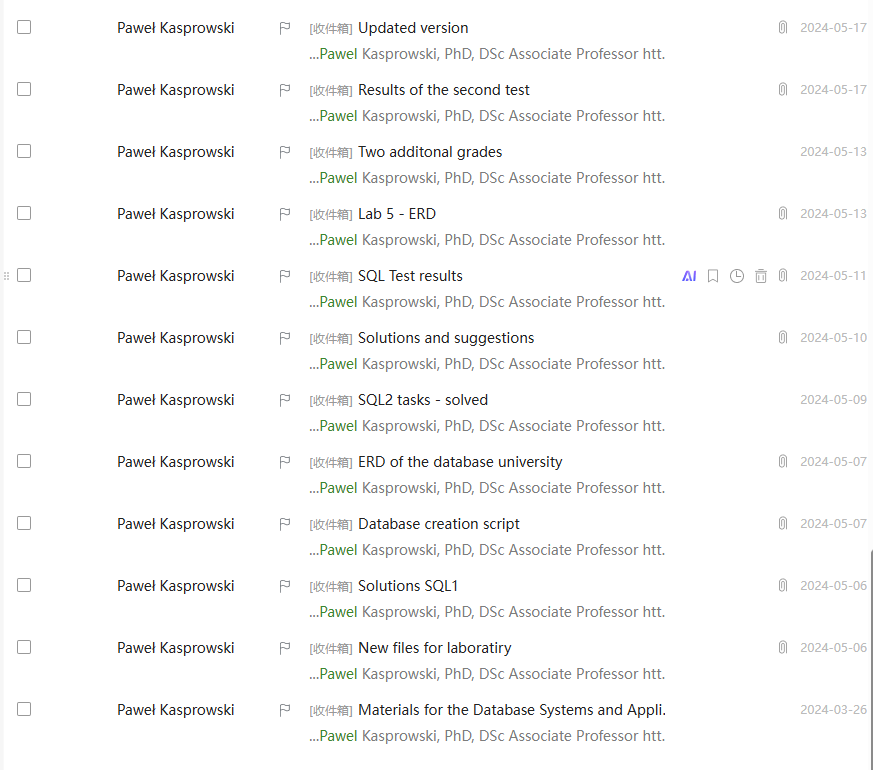
图1 中外双方教师来往邮件截图
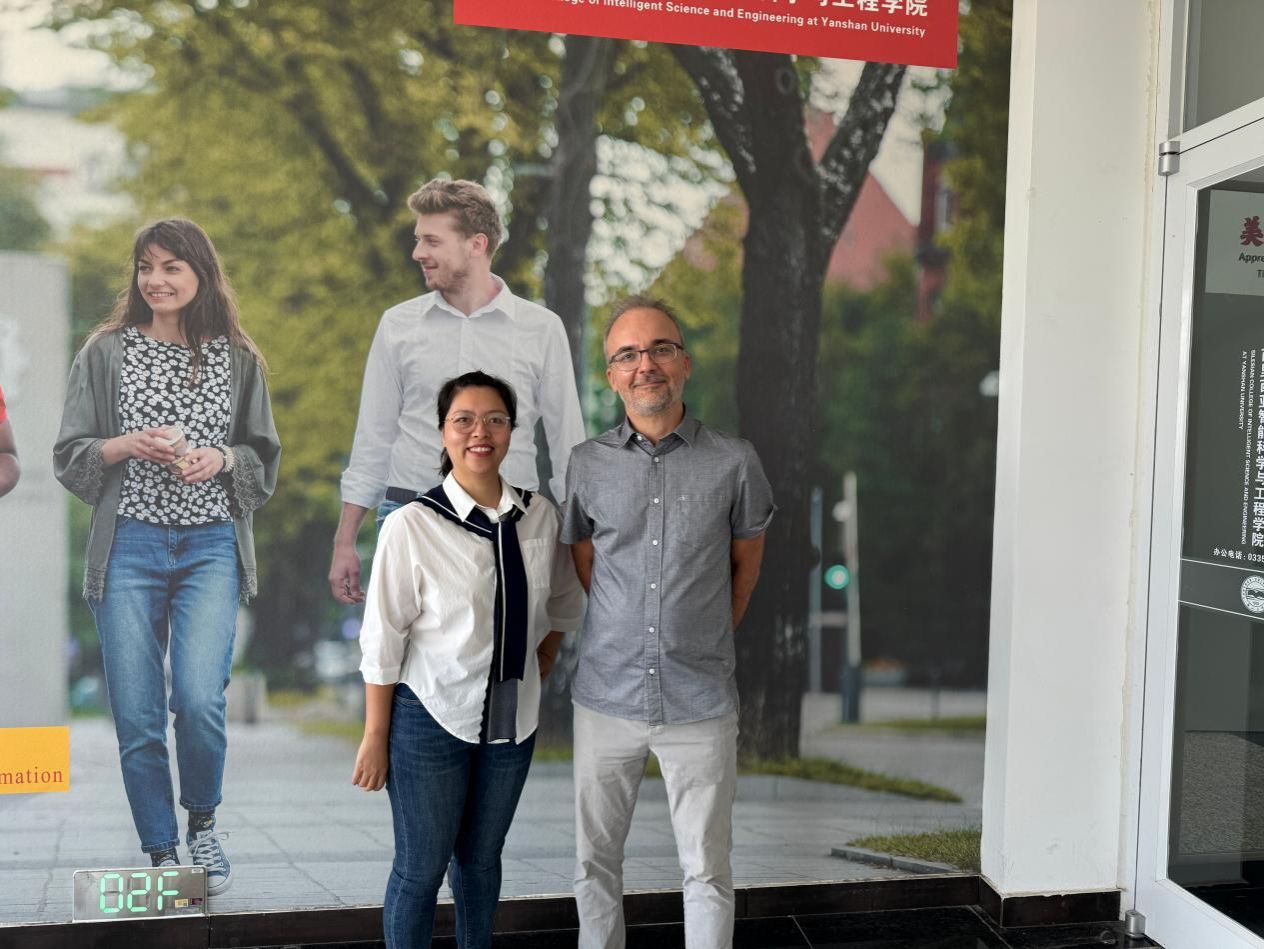
图2 中外双方教师交流后合影
2. 教学目标定位与教学内容优化(教学理念:前沿融合、实用导向与跨文化素养)
以燕山大学西里西亚智能科学与工程学院办学理念为依据,结合软件工程专业学生群体特征明确教学目标。以教学文件为基础,系统整合关系模型、SQL语言、事务与锁、数据库规范化、ER图、对象关系映射等核心知识模块,融入数据库领域最新技术动态(如数据仓库、后关系数据库等),形成前沿理论与实际应用相结合的教学内容体系(图3)。同时,课程采用全英文教学,在教学内容中融入跨文化交流元素,设计涉及不同文化背景下的语言表达与学术规范讨论,开展国际主题讨论与文化座谈,设置外语专题提升与语言实践环节,全面提升学生英语学术表达能力、跨文化沟通素养及国际视野。
2. Teaching Objective Positioning and Teaching Content Optimization (Teaching Philosophy: Frontier Integration, Practical Orientation, and Cross-cultural Competence)
Based on the educational philosophy of the Silesian College of Intelligent Science and Engineering at Yanshan University, the teaching objectives are defined in accordance with the characteristics of software engineering students. Built upon the teaching documents, the course systematically integrates core knowledge modules such as the relational model, SQL language, transactions and locks, database normalization, ER diagrams, and object-relational mapping, while incorporating the latest technological developments in the database field (such as data warehouses and post-relational databases), thereby forming a teaching content system that combines frontier theories with practical applications (Fig. 3). Meanwhile, the course is delivered entirely in English, integrating cross-cultural communication elements into the teaching content, designing discussions on language expression and academic norms under different cultural backgrounds, organizing international thematic discussions and cultural seminars, and providing foreign language enhancement and language practice sessions, comprehensively improving students' English academic expression abilities, cross-cultural communication competence, and international perspective.
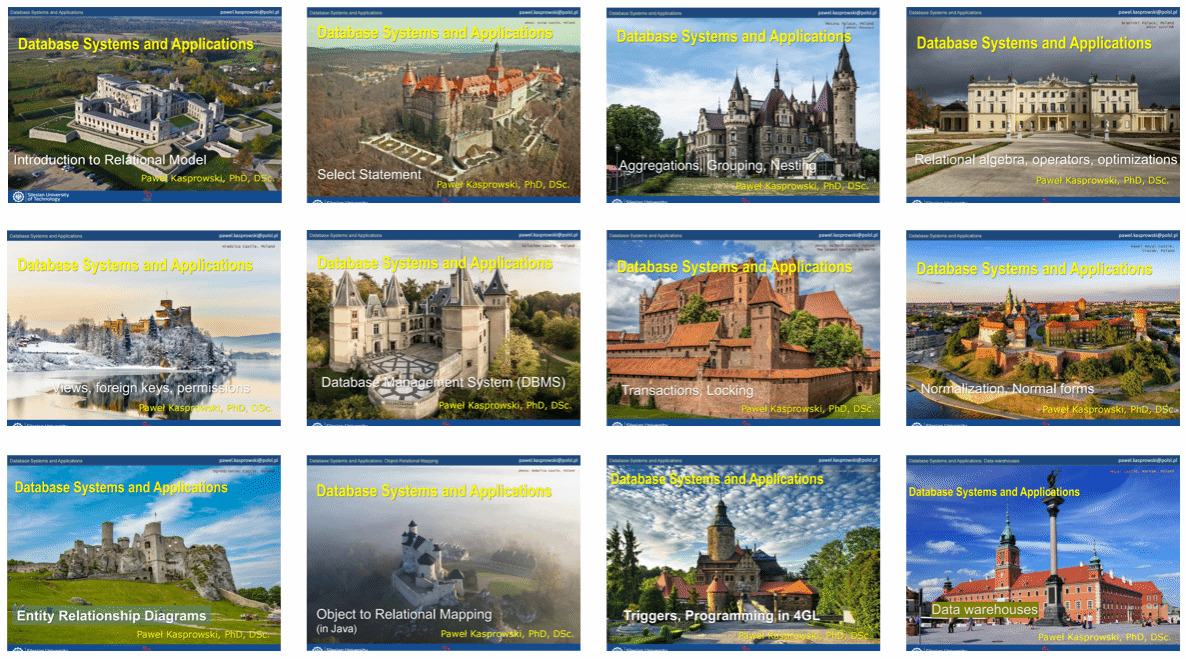
图3 优化后的教学内容
3. 教学安排与教学方法系统完善(组织形式:多元互动与全程陪伴)
外方教师授课严谨细致,认真负责,秉持"理论深度与实践能力并重"的理念,将国际数据库标准与行业真实需求融入案例,提升课程实用性与国际化视野(图4)。授课过程中,注重互动交流,鼓励学生大胆表达(图5),并通过赠送小礼物等方式激发学习热情(图6)。
3. Systematic Improvement of Teaching Arrangements and Methods (Organizational Form: Diverse Interaction and Full-cycle Accompaniment)
The foreign instructor delivers lectures with rigor and meticulousness, demonstrating a high sense of responsibility. Adhering to the philosophy of "balancing theoretical depth with practical competence," the instructor integrates international database standards and real-world industry demands into case studies, enhancing the practicality and international perspective of the course (Fig. 4). During the teaching process, the instructor places emphasis on interactive communication, encouraging students to express themselves confidently (Fig. 5), and stimulates students' learning enthusiasm through methods such as presenting small gifts as encouragement (Fig. 6).
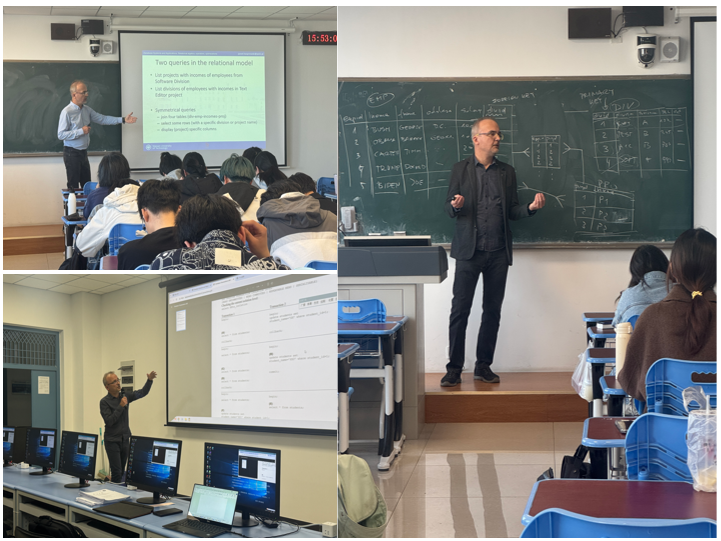
图4 外方教师授课照片
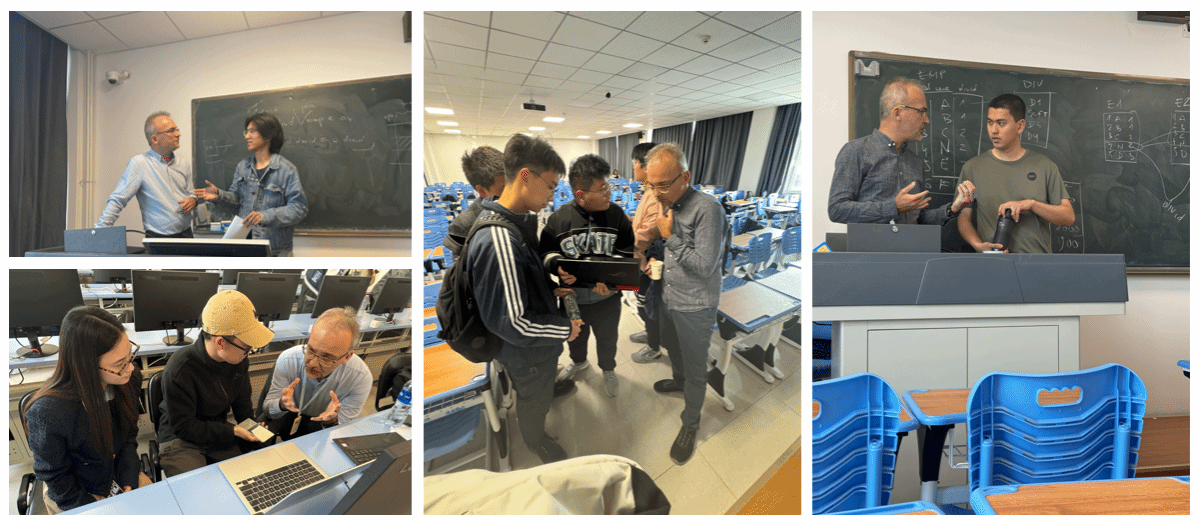
图5 外方教师与学生交流照片
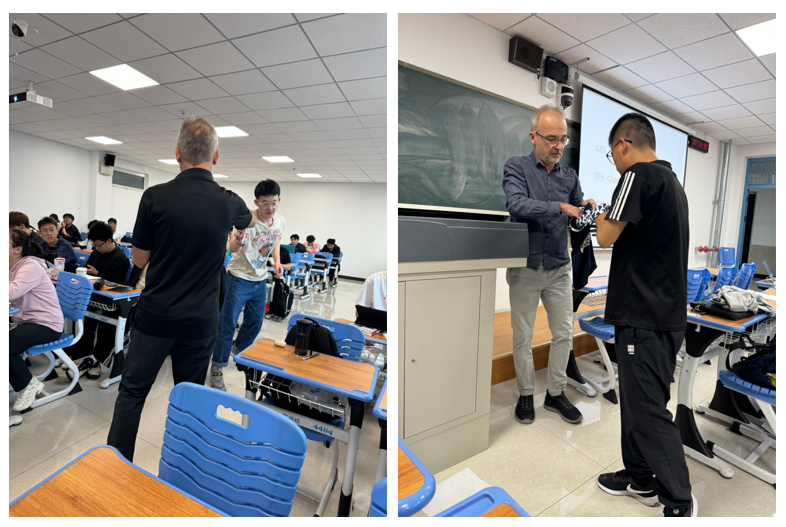
图6 外方教师赠送学生小礼物
中方王晓妍老师全程协同,课前上传PPT预习,课后梳理重难点;理论课后及时答疑,并依托班级群提供坚实支持(图7、图8)。双方采用多媒体演示、课堂讨论、上机实操、小组协作等多元手段,理论与实践结合,培养学生自主与合作学习能力。
Chinese instructor Wang Xiaoyan provides full-course coordination, uploading PPT materials before class to facilitate preview, and organizing key and difficult points after class for review; she also offers timely Q&A support following theoretical lectures, relying on the class group to provide solid learning support (Fig. 7, Fig. 8). Both instructors adopt diverse teaching methods, including multimedia presentations, classroom discussions, hands-on computer exercises, and group collaboration, integrating theory with practice to cultivate students' independent and cooperative learning abilities.
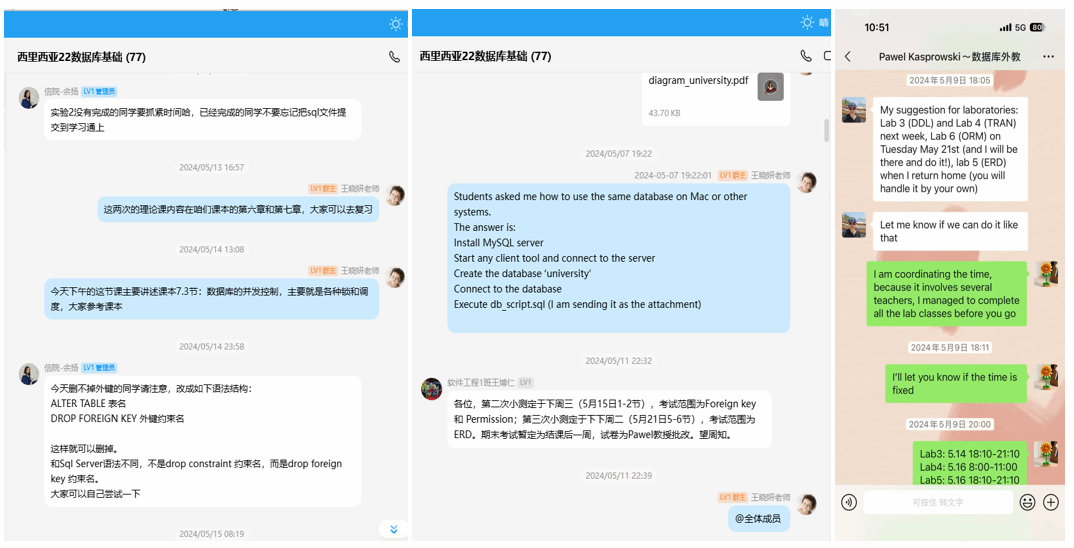
图7 中方教师与外教以及学生交流截图
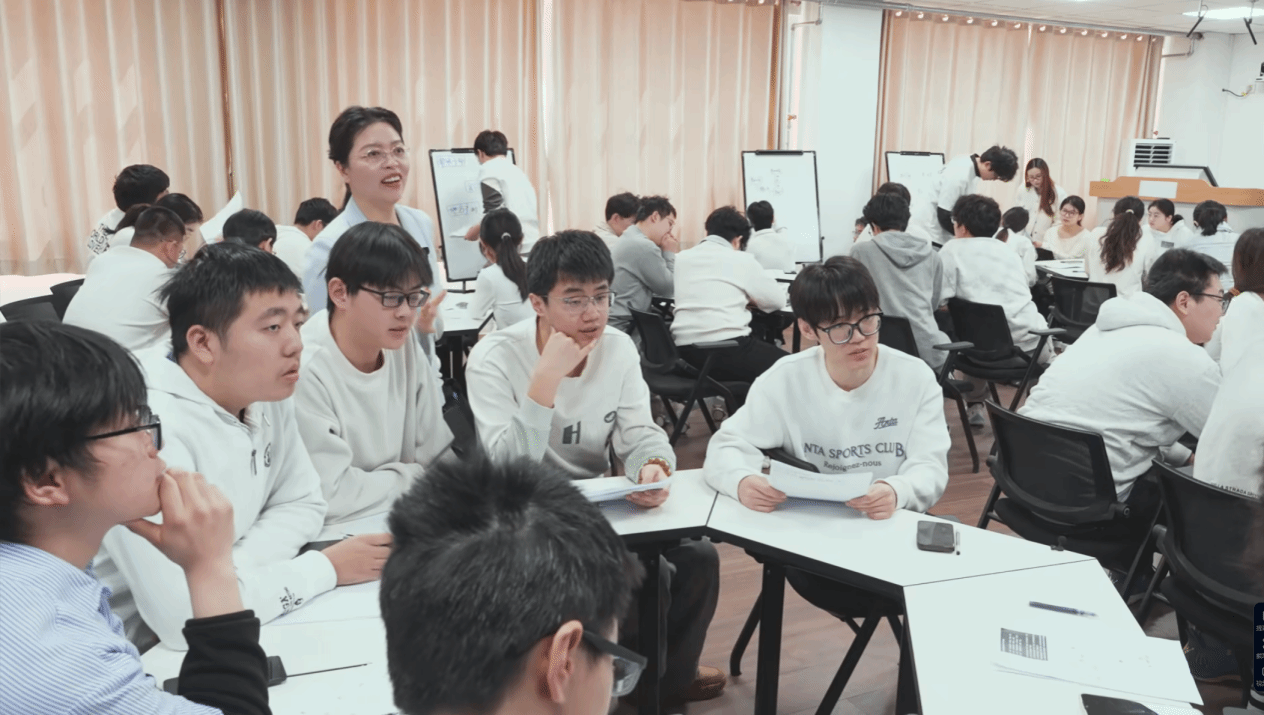
图8 中方教师与学生讨论照片
4. 实践教学质量提升(案例实战:实验实操与严控质量)
以课程内容为核心,合理增加实践教学比重,注重前沿内容实战质量。实验环节中,外方教师深入实验室,与中方教师共同指导学生完成SQL基础查询、高级查询、数据定义语言、事务与锁、数据库模式开发、对象关系映射等六项实验任务,及时解答疑难,助力学生实现理论知识与工程实践的有机结合(图9)。平时测验坚持高标准、严要求,严格监督测验现场(图10),优化评价体系,确保考核公平与学术规范,保障实验教学有序高效。
4. Enhancement of Practical Teaching Quality (Case-based Practice: Hands-on Experiments and Rigorous Quality Control)
Centering on the course content, the proportion of practical teaching is reasonably increased, with emphasis on the hands-on quality of frontier topics. In the experimental sessions, the foreign instructor goes into the laboratory and, together with the Chinese instructor, guides students in completing six experimental tasks: SQL basic queries, advanced queries, data definition language, transactions and locks, database schema development, and object-relational mapping. They promptly address students' difficulties, helping students achieve an organic integration of theoretical knowledge and engineering practice (Fig. 9). Regular quizzes adhere to high standards and strict requirements, with rigorous supervision of the quiz sessions (Fig. 10). The assessment system is optimized to ensure fairness and academic integrity, guaranteeing the orderly and efficient delivery of practical teaching.
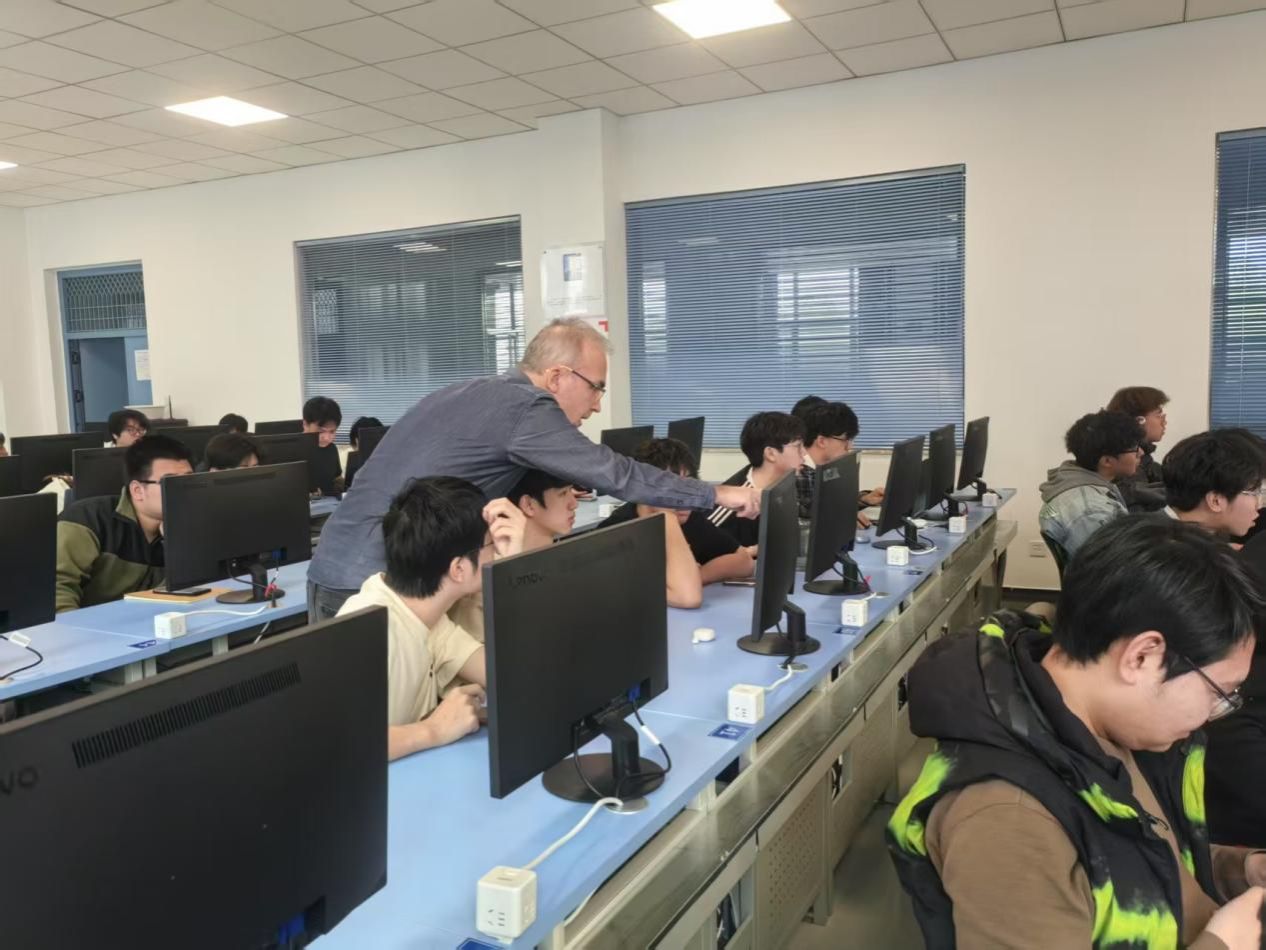
图9 外方教师指导学生实验照片
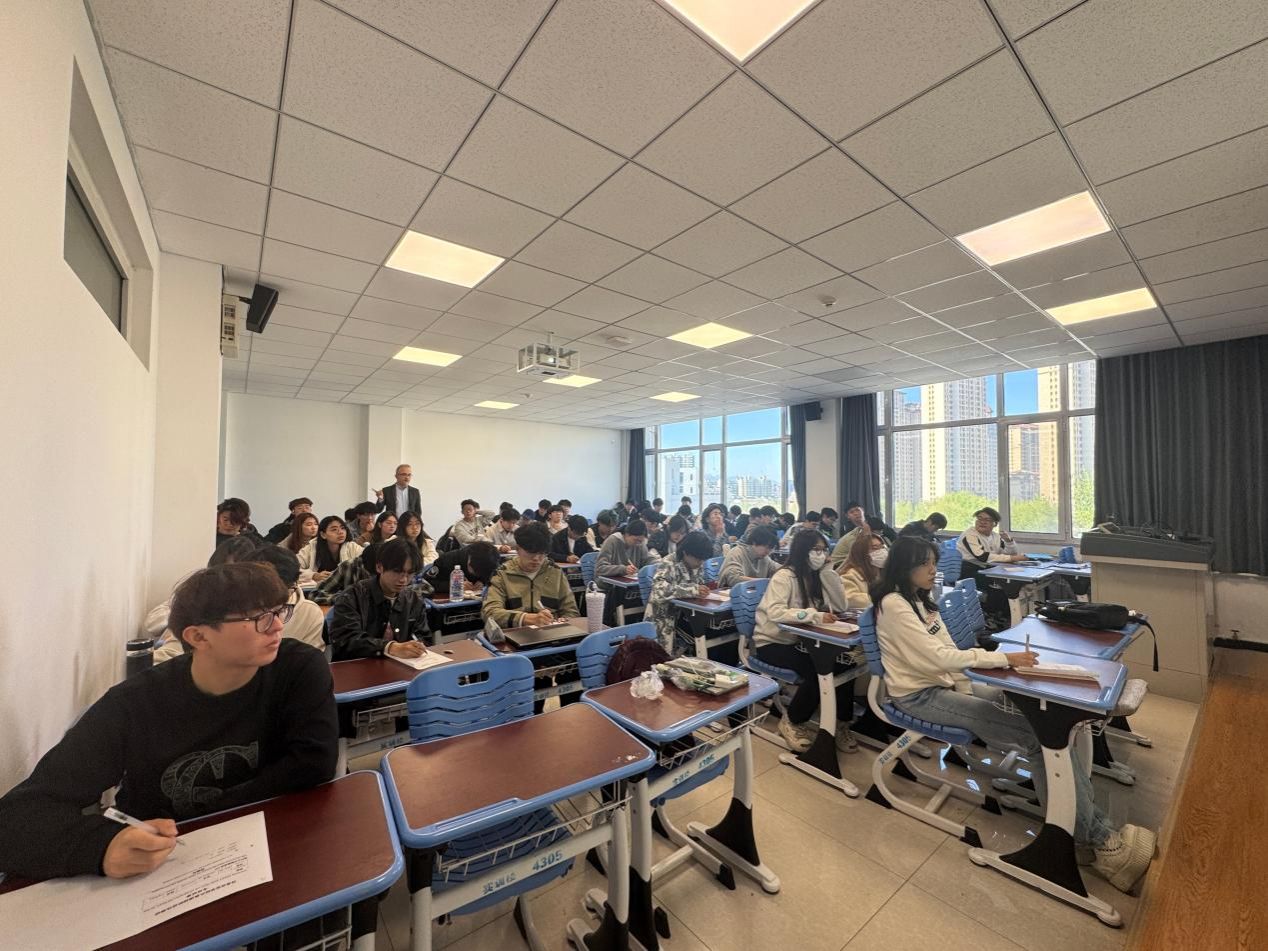
图10 平时测验照片
5.教学文件完善与规范化(组织形式:标准整合与成果沉淀)
根据学院课程规范化建设标准,双方整合前期沟通与教学实践成果,编写符合标准的教学文件,包括中英文理论教学大纲、实验教学大纲、考核方案(小测30%+实验30%+结课考试40%)等,实现教学文件规范化闭环管理(图11)。
5. Improvement and Standardization of Teaching Documents (Organizational Form: Standard Integration and Outcome Consolidation)
In accordance with the college's course standardization and construction standards, both parties integrated the outcomes of earlier communications and teaching practices to develop teaching documents applicable to the standards, including the Chinese and English theoretical syllabus, the experimental syllabus, and the assessment scheme (quizzes 30% + experiments 30% + final exam 40%), thereby achieving closed-loop management of standardized teaching documents (Fig. 11).
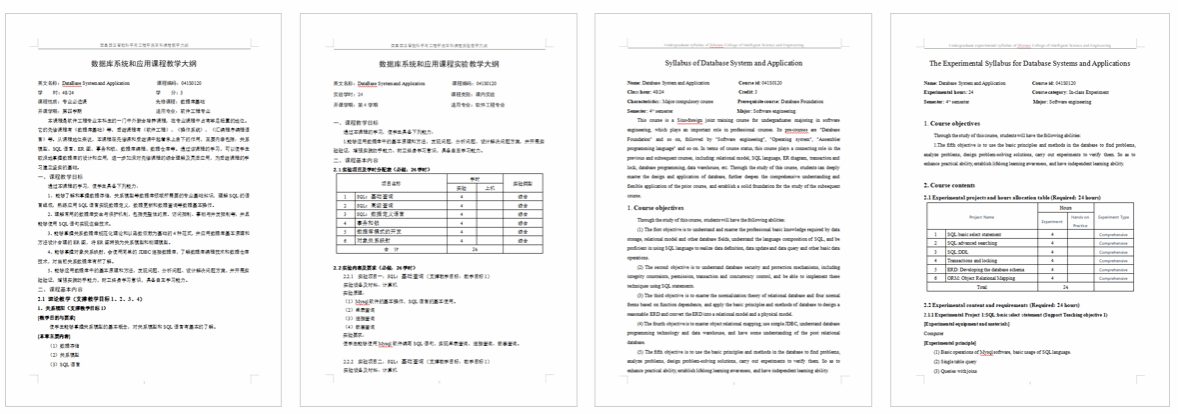
图11 教学大纲等教学文件
通过以上多维度的系统建设,中外双方教师共同保障了《数据库系统和应用》课程的教学质量与育人效果。
Through the systematic construction across the above multiple dimensions, the Chinese and foreign instructors have jointly ensured the teaching quality and educational outcomes of the Database Systems and Applications course.
四、课程内容
1.理论课内容
1.Theoretical Course Content
(1)关系模型
学习关系模型的基本概念,掌握关系模型的核心原理与SQL语言的基本应用,理解数据存储的基本方式。通过关系模型的学习,建立对关系数据库结构化描述与操作的整体认知,理解关系模型如何以二维表形式组织数据、以关系运算操作数据、以完整性约束保障数据质量。学习SQL语言的基本语法与操作,掌握通过SQL进行数据定义、数据查询、数据操纵与数据控制的基本方法。由具体实例理解关系模型与SQL在实际数据库系统中的应用,为后续深入学习数据库系统架构、事务管理、查询优化等内容奠定基础。
(1) Relational model
Learn the fundamental concepts of the relational model, master its core principles and the basic applications of the SQL language, and understand the fundamental approaches to data storage. Through the study of the relational model, establish an overall understanding of how relational databases achieve structured description and manipulation of data, and comprehend how the relational model organizes data in the form of two-dimensional tables, operates on data through relational algebra, and safeguards data quality through integrity constraints. Learn the basic syntax and operations of the SQL language, and master the fundamental methods of data definition, data query, data manipulation, and data control using SQL. Through concrete examples, understand the application of the relational model and SQL in real-world database systems, thereby laying a solid foundation for the in-depth study of database system architecture, transaction management, query optimization, and other advanced topics.
(2)SELECT语句基础查询
学习SQL语言中SELECT语句的基本句法,掌握通过SELECT语句进行数据查询的基本操作方法。学习单表查询的基本用法,理解如何从单个数据表中检索所需字段与记录,掌握基本查询条件的设置与结果排序。学习多表连接查询的操作方法,理解通过连接操作将多个数据表中的相关数据进行关联查询的基本原理,掌握内连接、外连接等常用连接方式的应用。学习嵌套查询的基本用法,理解子查询在WHERE子句、FROM子句等位置的应用方式,掌握通过嵌套查询实现复杂查询条件的表达。由具体查询实例理解SELECT语句在实际数据库操作中的应用,为后续深入学习查询优化、数据库应用开发等内容奠定基础。
(2) Basic searching in databases
Learn the basic syntax of the SELECT statement in the SQL language, and master the fundamental methods of data query using the SELECT statement. Learn the basic usage of single-table queries, understand how to retrieve required fields and records from a single data table, and master the setting of basic query conditions and result sorting. Learn the operational methods of multi-table join queries, understand the basic principles of correlating data from multiple tables through join operations, and master the application of common join types such as inner joins and outer joins. Learn the basic usage of nested queries, understand the application of subqueries in positions such as the WHERE clause and the FROM clause, and master the expression of complex query conditions through nested queries. Through concrete query examples, understand the application of the SELECT statement in real-world database operations, thereby laying a solid foundation for the in-depth study of query optimization, database application development, and other advanced topics.
(3)SELECT语句高级查询
学习SQL语言中SELECT语句的完整句法,掌握聚合函数、分组查询及复杂条件查询等高级操作方法。学习聚合函数的基本用法,理解COUNT、SUM、AVG、MAX、MIN等常用聚合函数在数据统计与汇总分析中的应用。学习分组查询的操作方法,理解GROUP BY子句对数据进行分组统计的基本原理,掌握按指定字段对查询结果进行分组汇总的实现方式。学习HAVING与WHERE条件语句的区别与联系,理解HAVING子句对分组结果进行条件过滤的作用机制,掌握在分组查询中正确选用条件语句的方法。学习分组、聚合函数与嵌套查询相结合的综合查询方法,掌握通过多层次的查询组合实现复杂数据统计分析的操作技巧。由具体查询实例理解SELECT语句高级功能在实际数据库操作中的应用,为后续深入学习查询优化、数据库应用开发等内容奠定基础。
(3) Advanced searching in databases
Learn the complete syntax of the SELECT statement in the SQL language, and master advanced operations such as aggregate functions, grouping queries, and complex conditional queries. Learn the basic usage of aggregate functions, and understand the application of commonly used aggregate functions such as COUNT, SUM, AVG, MAX, and MIN in data statistics and summary analysis. Learn the operational methods of grouping queries, understand the basic principles of the GROUP BY clause for performing grouped statistics on data, and master the implementation of grouping and summarizing query results by specified fields. Learn the differences and connections between the HAVING and WHERE clauses, understand the filtering mechanism of the HAVING clause on grouped results, and master the proper selection of conditional clauses in grouped queries. Learn comprehensive query methods that combine grouping, aggregate functions, and nested queries, and master the operational techniques for achieving complex data statistical analysis through multi-level query combinations. Through concrete query examples, understand the application of advanced SELECT statement features in real-world database operations, thereby laying a solid foundation for the in-depth study of query optimization, database application development, and other advanced topics.
(4)关系代数和优化
了解关系代数的基本概念,掌握关系代数的核心操作及其在数据库查询优化中的应用。学习关系代数的定义与基本思想,理解关系代数作为关系数据库操作理论基础的地位与作用。学习关系代数的三个基本操作——选择、投影和自然连接,掌握各操作的基本语法与执行逻辑,理解选择操作对行进行过滤、投影操作对列进行筛选、自然连接操作对多表进行关联的基本原理。学习关系代数的变换规则与优化策略,理解通过等价变换实现查询效率提升的基本方法。学习关系代数的其它操作,掌握并、交、外连接和内连接等扩展操作的语义与应用场景。由具体实例理解关系代数与SQL查询之间的对应关系,为深入理解查询优化机制与数据库系统性能调优奠定基础。
(4) Relational Algebra and optimization
Understand the fundamental concepts of relational algebra, and master its core operations and their applications in database query optimization. Learn the definition and basic ideas of relational algebra, and understand its role and significance as the theoretical foundation for operations on relational databases. Learn the three basic operations of relational algebra—selection, projection, and natural join—and master the basic syntax and execution logic of each operation, understanding the basic principles of the selection operation filtering rows, the projection operation selecting columns, and the natural join operation correlating multiple tables. Learn the transformation rules and optimization strategies of relational algebra, and understand the fundamental methods for improving query efficiency through equivalent transformations. Learn other operations of relational algebra, and master the semantics and application scenarios of extended operations such as union, intersection, outer join, and inner join. Through concrete examples, understand the correspondence between relational algebra and SQL queries, thereby laying a solid foundation for an in-depth understanding of query optimization mechanisms and database system performance tuning.
(5)视图、外键和许可
学习视图的实现与修改方法,掌握视图的创建、查询与更新操作,理解视图在简化查询、提供数据安全性和逻辑独立性方面的优势。学习参照完整性的基本概念,掌握通过外键约束维护数据表之间引用关系的方法,理解外键在保证数据一致性与完整性中的重要作用。学习许可管理的基本操作,掌握GRANT、REVOKE、DENY命令的语法与用法,理解数据库权限授予、撤销与拒绝的机制及其在数据安全管理中的应用。由具体实例理解视图、外键与许可管理在实际数据库系统中的应用方式,为后续深入学习数据库安全与运维等内容奠定基础。
(5) View, foreign keys and permission
Learn the implementation and modification methods of views, master the creation, query, and update operations of views, and understand the advantages of views in simplifying queries, providing data security, and ensuring logical independence. Learn the fundamental concepts of referential integrity, master the methods of maintaining reference relationships between data tables through foreign key constraints, and understand the important role of foreign keys in ensuring data consistency and integrity. Learn the basic operations of permission management, master the syntax and usage of the GRANT, REVOKE, and DENY commands, and understand the mechanisms of permission granting, revocation, and denial in databases as well as their applications in data security management. Through concrete examples, understand the application of views, foreign keys, and permission management in real-world database systems, thereby laying a solid foundation for the in-depth study of database security and operations.
(6)数据库管理系统 (DBMS)
了解数据库管理系统(DBMS)的体系架构,理解数据库管理系统在数据存储、查询处理与事务管理中的核心作用,重点掌握事务的性质与索引的创建方法。学习DBMS的整体架构,理解存储引擎、查询处理器、事务管理器等核心组件的功能与相互关系。学习数据存储的基本原理,掌握数据读写操作在存储层的工作机制。学习事务的定义与ACID性质,理解原子性、一致性、隔离性与持久性的基本含义及其在保障数据可靠性与一致性中的重要作用。学习索引的基本类型,掌握B树索引、B+树索引与散列索引的结构特点与适用场景,掌握索引的创建方法及其对查询性能的影响。由具体实例理解DBMS架构、事务机制与索引优化在实际数据库系统中的应用,为后续深入学习数据库性能调优与系统运维奠定基础。
(6) Database Management System (DBMS)
Understand the system architecture of Database Management Systems (DBMS), comprehend the core role of a DBMS in data storage, query processing, and transaction management, and focus on mastering the properties of transactions and the methods of index creation. Learn the overall architecture of a DBMS, and understand the functions and interrelationships of core components such as the storage engine, query processor, and transaction manager. Learn the fundamental principles of data storage, and master the working mechanisms of data read and write operations at the storage layer. Learn the definition and ACID properties of transactions, and understand the basic meanings of atomicity, consistency, isolation, and durability as well as their important roles in ensuring data reliability and consistency. Learn the basic types of indexes, master the structural characteristics and applicable scenarios of B-tree indexes, B+ tree indexes, and hash indexes, and master the methods of index creation and their impact on query performance. Through concrete examples, understand the application of DBMS architecture, transaction mechanisms, and index optimization in real-world database systems, thereby laying a solid foundation for the in-depth study of database performance tuning and system operations.
(7)事务和锁
学习事务的四种隔离级别及其各自的应用意义。逐一剖析read_uncommitted、read_committed、repeatable read与serializable四种隔离级别的事务行为差异,明确每种隔离级别下并发事务所允许的数据读取现象——包括脏读、不可重复读、幻读以及各自适用的业务场景。同时学习锁机制的基本原理,认识X锁(排他锁)与S锁(共享锁)的加锁规则与兼容关系,分析死锁的产生条件与预防策略。由具体并发场景示例,建立隔离级别、锁机制与数据一致性之间的对应关系,为后续深入分析数据库并发控制与系统性能调优提供支撑。
(7) Transactions and locks
Learn the four isolation levels of transactions and the practical significance of each. Analyze one by one the behavioral differences among the four isolation levels—read_uncommitted, read_committed, repeatable read, serializable, and clarify the data reading phenomena permitted under each level, including dirty reads, non-repeatable reads, and phantom reads, as well as the business scenarios for which each level is best suited. Meanwhile, study the fundamental principles of locking mechanisms, understand the locking rules and compatibility relationships between X locks (exclusive locks) and S locks (shared locks), and analyze the conditions that lead to deadlocks along with prevention strategies. Through concrete concurrency scenarios, establish the correspondence among isolation levels, locking mechanisms, and data consistency, thereby providing support for the in-depth analysis of database concurrency control and system performance tuning.
(8)数据库规范化和范式
学习数据库规范化的核心意义,理解规范化在消除数据冗余、避免更新异常、保障数据一致性方面的重要作用。学习函数依赖的基本概念,掌握完全函数依赖、部分函数依赖与传递函数依赖的判定方法。逐级剖析四种范式——第一范式(1NF)、第二范式(2NF)、第三范式(3NF)与BC范式(BCNF)的判定条件与规范化规则,明确各级范式对表结构的要求及其在消除数据异常中的作用。通过具体表结构实例,分析不同范式级别下表可能存在的冗余与异常问题,掌握将表从低级范式逐步规范化为高级范式的分解方法,为数据库逻辑设计奠定基础。
(8) Normalization and normal forms of databases
Learn the core significance of database normalization, and understand its important role in eliminating data redundancy, avoiding update anomalies, and ensuring data consistency. Learn the fundamental concepts of functional dependencies, and master the methods for identifying full functional dependencies, partial functional dependencies, and transitive functional dependencies. Analyze one by one the criteria and normalization rules of the four normal forms—First Normal Form (1NF), Second Normal Form (2NF), Third Normal Form (3NF), and Boyce-Codd Normal Form (BCNF), and clarify the requirements each normal form imposes on table structures as well as their roles in eliminating data anomalies. Through concrete table structure examples, analyze the redundancy and anomaly issues that may exist at different normal form levels, and master the decomposition methods for progressively normalizing tables from lower to higher normal forms, thereby laying a foundation for database logical design.
(9)ER图
学习ER图(实体-联系图)的基本构成,掌握实体、联系与属性三大核心元素的概念与表示方法。学习实体类型的定义与分类,理解实体在数据建模中描述客观对象的作用;学习联系类型的定义与分类,理解一对一、一对多、多对多等联系类型在表达实体间关系时的语义;学习属性类型的定义与分类,理解简单属性、复合属性、派生属性等不同属性类型在描述实体特征时的应用。学习两种主流ER图画法——Peter Chen的ER图与鱼尾纹ER图,掌握两种画法中实体、联系与属性的图形符号与绘制规范,理解两种画法在表达同一数据模型时的异同与适用场景。通过具体建模实例,掌握从需求描述出发绘制ER图的方法,为后续将ER图转换为关系模式奠定基础。
(9) Entity relationships diagram (ERD)
Learn the basic components of ER diagrams (Entity-Relationship diagrams), and master the concepts and representation methods of the three core elements: entities, relationships, and attributes. Learn the definition and classification of entity types, and understand the role of entities in describing objective objects in data modeling. Learn the definition and classification of relationship types, and understand the semantics of relationship types such as one-to-one, one-to-many, and many-to-many in expressing relationships between entities. Learn the definition and classification of attribute types, and understand the application of different attribute types such as simple attributes, composite attributes, and derived attributes in describing entity characteristics. Learn two mainstream ER diagram notations—Peter Chen's ER diagram and the crow's foot ER diagram—and master the graphical symbols and drawing conventions for entities, relationships, and attributes in both notations, understanding the similarities, differences, and applicable scenarios of the two notations in expressing the same data model. Through concrete modeling examples, master the method of drawing ER diagrams from requirement descriptions, thereby laying a foundation for the subsequent conversion of ER diagrams into relational schema.
(10)对象关系映射 (ORM)
学习JDBC(Java数据库连接)的基本原理与操作流程,掌握使用Java语言连接数据库、执行SQL语句、处理查询结果集的核心方法,能够独立完成Java应用程序与数据库之间的数据交互。了解对象关系映射(ORM)的基本概念与设计思想,理解ORM在面向对象编程与关系数据库之间建立映射关系的原理,认识ORM框架在简化数据持久化开发、提高开发效率方面的作用。通过具体编程实例,掌握JDBC连接数据库的完整实现过程,理解ORM与传统JDBC编程方式的区别与联系,为后续数据库应用开发奠定基础。
(10) Object-relational mapping (ORM)
Learn the fundamental principles and operational workflow of JDBC (Java Database Connectivity), master the core methods of connecting to a database using the Java language, executing SQL statements, and processing query result sets, and be able to independently complete data interaction between Java applications and databases. Understand the basic concepts and design philosophy of Object-Relational Mapping (ORM), comprehend the principles of establishing mapping relationships between object-oriented programming and relational databases, and recognize the role of ORM frameworks in simplifying data persistence development and improving development efficiency. Through concrete programming examples, master the complete implementation process of connecting to a database using JDBC, understand the differences and connections between ORM and traditional JDBC programming approaches, thereby laying a foundation for subsequent database application development.
(11)数据库编程
学习使用数据库进行编程的基本方法,了解第四代语言(4GL)在数据库应用开发中的作用与特点,认识数据库编程相较于传统程序设计语言在数据操作效率与开发便捷性方面的优势。学习存储过程的定义与执行机制,了解存储过程在封装业务逻辑、提高代码复用性、降低网络通信开销方面的作用,认识存储过程在数据库应用中的典型使用场景。学习触发器的基本概念与工作原理,了解触发器在数据完整性保障、自动执行特定操作、审计日志记录等方面的应用价值,理解触发器与普通存储过程在触发方式与执行时机上的区别。通过具体示例,了解数据库编程、存储过程与触发器在实际应用中的配合方式,为后续数据库应用开发与系统维护提供基础。
(11) Database procedures
Learn the basic methods of programming with databases, understand the role and characteristics of Fourth-Generation Languages (4GL) in database application development, and recognize the advantages of database programming over traditional programming languages in terms of data operation efficiency and development convenience. Learn the definition and execution mechanisms of stored procedures, understand their role in encapsulating business logic, improving code re-usability, and reducing network communication overhead, and recognize the typical usage scenarios of stored procedures in database applications. Learn the basic concepts and working principles of triggers, understand their value in ensuring data integrity, automatically executing specific operations, and recording audit logs, and understand the differences between triggers and ordinary stored procedures in terms of triggering methods and execution timing. Through concrete examples, understand how database programming, stored procedures, and triggers work together in practical applications, thereby providing a foundation for subsequent database application development and system maintenance.
(12)数据仓库和后关系数据库
学习数据仓库的基本概念与体系结构,明白数据仓库在面向分析决策的数据组织与管理方面的核心作用。学习事实表与维度表的基本概念,理解事实表存储度量数据、维度表存储描述性属性数据的职责划分,了解星型模型与雪花模型等常见数据仓库建模方式。了解常见数据仓库产品及其应用场景,认识不同数据仓库在数据规模、查询性能与分析能力方面的差异。了解后关系数据库的基本概念与发展背景,认识对象关系数据库等后关系数据库在应对大数据、高并发与灵活数据模型需求方面的设计思路,理解后关系数据库与传统关系数据库在数据模型、查询语言与适用场景上的区别。通过具体案例,了解数据仓库与后关系数据库在实际应用中的定位与价值,为后续深入学习大数据处理与新型数据库技术奠定基础。
(12) Database warehouse and post relational database
Learn the fundamental concepts and architecture of data warehouses, and understand the core role of data warehouses in organizing and managing data for analytical and decision-making purposes. Learn the basic concepts of fact tables and dimension tables, understand the division of responsibilities in which fact tables store measurable data and dimension tables store descriptive attribute data, and learn common data warehouse modeling approaches such as the star schema and snowflake schema. Learn about common data warehouse products and their application scenarios, and recognize the differences among various data warehouses in terms of data scale, query performance, and analytical capabilities. Learn the basic concepts and development background of post-relational databases, understand the design philosophies of post-relational databases such as object-relational databases in addressing the demands of big data, high concurrency, and flexible data models, and understand the differences between post-relational databases and traditional relational databases in terms of data models, query languages, and applicable scenarios. Through concrete examples, understand the positioning and value of data warehouses and post-relational databases in practical applications, thereby laying a foundation for the in-depth study of big data processing and emerging database technologies.
2.实验课内容
2. Experimental Course Content
(1)实验项目一:SQL基础查询
本实验以计算机为实验设备,基于MySQL数据库软件开展SQL语言的基础查询操作训练。实验原理涵盖MySQL软件的基本操作与SQL语言的基本使用,包括单表查询、连接查询与嵌套查询三类核心查询方法。实验要求学生能够熟练使用MySQL软件编写SQL语句,独立实现单表查询、连接查询与嵌套查询操作,通过实际操作掌握SQL基础查询的完整流程,为后续复杂查询与数据库应用开发奠定实践基础。
(1) Experimental Project 1: SQL basic select statement
This experiment is conducted on a computer and focuses on training basic query operations in the SQL language using MySQL database software. The experimental principles cover the fundamental operations of MySQL software and the basic usage of the SQL language, including three core query methods: single-table queries, join queries, and nested queries. Students are required to proficiently use MySQL software to write SQL statements and independently implement single-table queries, join queries, and nested queries, thereby mastering the complete workflow of basic SQL queries through hands-on practice and laying a practical foundation for more complex queries and database application development.
(2)实验项目二:SQL高级查询
本实验以计算机为实验设备,基于MySQL数据库软件开展SQL语言的高级查询操作训练。实验原理涵盖聚合查询与高级查询两类核心内容,包括使用聚合函数进行数据统计汇总,以及通过分组、条件过滤、嵌套子查询等组合方式实现复杂查询需求。实验要求学生能够使用MySQL软件编写SQL语句,独立实现聚合查询与高级查询操作,通过实际操作掌握SQL高级查询的完整流程,进一步提升数据检索与统计分析能力,为后续数据库应用开发奠定实践基础。
(2) Experimental Project 2: SQL advanced searching
This experiment is conducted on a computer and focuses on training advanced query operations in the SQL language using MySQL database software. The experimental principles cover two core areas: aggregate queries and advanced queries, including the use of aggregate functions for data statistical summarization, as well as the combination of grouping, conditional filtering, and nested subqueries to fulfill complex query requirements. Students are required to use MySQL software to write SQL statements and independently implement aggregate queries and advanced queries, thereby mastering the complete workflow of advanced SQL queries through hands-on practice, further enhancing their data retrieval and statistical analysis capabilities, and laying a practical foundation for subsequent database application development.
(3)实验项目三:SQL数据定义语言
本实验以计算机为实验设备,基于MySQL数据库软件开展SQL数据定义语言的操作训练。实验原理涵盖表的基础操作、数据完整性约束、用户和权限管理以及视图四个方面。实验要求学生能够使用MySQL软件编写SQL语句,实现以下操作:完成数据表的基础操作,包括表的创建、修改与删除;设计并实施数据完整性约束,通过主键、外键、唯一性约束等机制保障数据的一致性与完整性;创建新用户并授予相应权限,实现数据库访问控制与安全管理;创建视图,通过视图简化查询操作并提供数据逻辑独立性。通过实际操作掌握SQL数据定义语言的完整流程,为后续数据库设计与管理奠定实践基础。
(3) Experimental Project 3: SQL DDL
This experiment is conducted on a computer and focuses on training operations in the SQL Data Definition Language (DDL) using MySQL database software. The experimental principles cover four aspects: basic table operations, data integrity constraints, user and permission management, and views. Students are required to use MySQL software to write SQL statements and accomplish the following operations: complete basic table operations, including the creation, modification, and deletion of tables; design and implement data integrity constraints, ensuring data consistency and integrity through mechanisms such as primary keys, foreign keys, and unique constraints; create new users and grant appropriate permissions to achieve database access control and security management; and create views to simplify query operations and provide logical data independence. Through hands-on practice, students will master the complete workflow of the SQL Data Definition Language, thereby laying a practical foundation for subsequent database design and management.
(4)实验项目四:事务和锁
本实验以计算机为实验设备,基于MySQL数据库软件开展事务管理与并发控制的操作训练。实验原理涵盖事务的基本概念与ACID性质、四种隔离级别(read_uncommitted、read_committed、repeatable read、serializable)的事务行为差异,以及X锁、S锁与死锁的锁机制原理。实验要求学生能够使用MySQL软件模拟多用户并发操作场景,编写SQL语句设置不同的隔离级别,执行代码后观察不同隔离级别下事务所表现出的数据读取现象,包括脏读、不可重复读与幻读等,并总结不同事务反馈之间的差异及其产生原因。通过实际操作深入理解事务隔离级别与锁机制在保障数据一致性中的作用,为后续数据库并发控制与性能调优奠定实践基础。
(4) Experimental Project 4:Transactions and locking
This experiment is conducted on a computer and focuses on training in transaction management and concurrency control using MySQL database software. The experimental principles cover the fundamental concepts and ACID properties of transactions, the behavioral differences among the four isolation levels (read_uncommitted, read_committed, repeatable read, and serializable), and the locking mechanisms of X locks, S locks, and deadlocks. Students are required to use MySQL software to simulate multi-user concurrent operation scenarios, write SQL statements to set different isolation levels, and observe the data reading phenomena exhibited by transactions under different isolation levels after execution, including dirty reads, non-repeatable reads, and phantom reads, as well as summarize the differences among various transaction feedback and their underlying causes. Through hands-on practice, students will gain an in-depth understanding of the role of transaction isolation levels and locking mechanisms in ensuring data consistency, thereby laying a practical foundation for subsequent database concurrency control and performance tuning.
(5)实验项目五:数据库模式的开发
本实验以计算机为实验设备,基于Oracle SQL Developer Data Modeler软件开展数据库模式的设计与开发训练。实验原理涵盖Oracle SQL Developer Data Modeler软件的基本操作、逻辑模型的设计方法以及关系模型的转换规则。实验要求学生能够使用Oracle SQL Developer Data Modeler软件完成数据库逻辑模型的设计与生成,并将逻辑模型转换为关系模型,通过实际操作掌握从概念设计到逻辑设计再到关系模型转换的完整流程,理解逻辑模型与关系模型之间的对应关系,为后续数据库物理设计与应用开发奠定实践基础。
(5) Experimental Project 5: Developing the database schema (ERD)
This experiment is conducted on a computer and focuses on training in the design and development of database schema using Oracle SQL Developer Data Modeler software. The experimental principles cover the basic operations of Oracle SQL Developer Data Modeler software, the design methodology of logical models, and the transformation rules for relational models. Students are required to use Oracle SQL Developer Data Modeler software to design and generate logical models of databases and transform them into relational models, thereby mastering the complete workflow from conceptual design to logical design and then to relational model transformation through hands-on practice. Students will understand the correspondence between logical models and relational models, thereby laying a practical foundation for subsequent database physical design and application development.
(6)实验项目六:对象关系映射
本实验以计算机为实验设备,基于MySQL数据库与Eclipse开发环境开展Java语言数据库编程训练。实验原理涵盖JDBC(Java数据库连接)的基本操作流程、对象关系映射(ORM)的设计思想以及关系建模方法。实验要求学生能够使用MySQL和Eclipse等软件,通过编写Java语言实现数据库的连接操作,完成JDBC方式下的数据交互;实现对象关系映射,建立Java对象与数据库表之间的对应关系;完成关系建模,将面向对象的数据模型映射为关系数据库的表结构。通过实际操作掌握从Java应用程序到数据库的完整数据访问流程,理解ORM相较于传统JDBC编程在开发效率与代码可维护性方面的优势,为后续数据库应用开发奠定实践基础。
(6) Experimental Project 6: Object Relational Mapping(ORM)
This experiment is conducted on a computer and focuses on training in Java database programming using MySQL database and the Eclipse development environment. The experimental principles cover the basic operational workflow of JDBC (Java Database Connectivity), the design philosophy of Object-Relational Mapping (ORM), and relational modeling methods. Students are required to use software such as MySQL and Eclipse to implement database connectivity by writing Java code, complete data interaction in the JDBC manner, implement object-relational mapping to establish correspondences between Java objects and database tables, and accomplish relational modeling by mapping object-oriented data models to relational database table structures. Through hands-on practice, students will master the complete data access workflow from Java applications to databases, understand the advantages of ORM over traditional JDBC programming in terms of development efficiency and code maintainability, thereby laying a practical foundation for subsequent database application development.
五、课程考核方式
本门课程考核秉持多元化评价理念,打破传统单一期末试卷的局限,构建了由平时小测、实验考核与结课考试构成的综合性评估体系。具体而言,平时小测占总成绩30%(含3次课上测验,每次10分),要求学生在规定时间内独立完成,未按时提交或存在抄袭现象者该次成绩按零分计;实验成绩占比30%,涵盖6个实验项目,要求学生全程参与、独立操作并按时提交实验报告,缺交或抄袭者该次实验成绩记零分;结课考试占总成绩40%。这一考核设计不仅实现了对学生学习过程与最终成果的全方位考查,更通过多维度评价机制,为学生提供了充分展现自身能力与潜力的平台,从而有效激发了学生的学习积极性与主动性。图12为考核体系示意图。
This course adopts a diversified assessment approach, breaking away from the traditional single final-examination model to establish a comprehensive evaluation system comprising in-class quizzes, laboratory work, and a final examination. Specifically, in-class quizzes account for 30% of the total grade (including three quizzes held during class sessions, each worth 10 points), requiring students to complete them independently within the specified time; failure to submit on time or any detected plagiarism will result in a score of zero for that quiz. Laboratory work accounts for 30% of the total grade, covering six lab projects that require students to participate fully, work independently, and submit lab reports on time; missing submissions or plagiarized reports will be scored as zero. The final examination accounts for the remaining 40% of the total grade. This assessment design not only enables comprehensive evaluation of students' learning process and final outcomes but also, through its multi-dimensional mechanism, provides students with a platform to fully demonstrate their abilities and potential, thereby effectively enhancing their learning motivation and initiative. Fig. 12 illustrates the assessment framework.
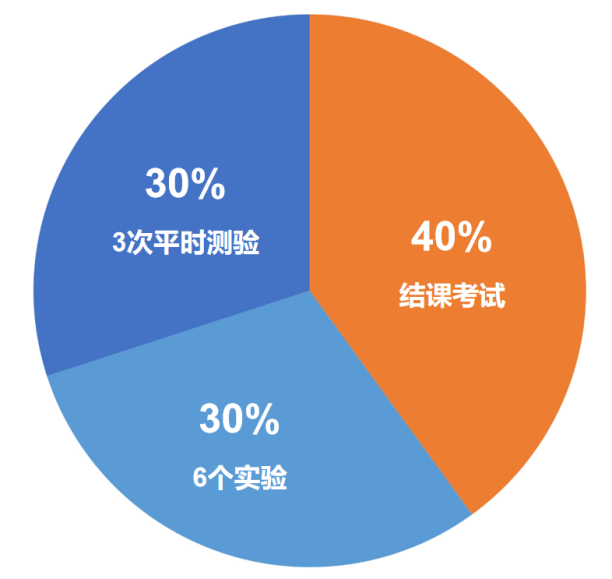
图12 考核体系示意图
六、参考书籍
Reference Textbooks
[1] 陈业斌,吴福英,梁长梅等,数据库原理及应用(MySQL版),人民邮电出版社,2023, 08.
[2] 施伯乐,丁宝康,汪卫编. 数据库系统教程(第3版),高等教育出版社,2010, 12.
[3] C. J. Date. An Introduction to Database System, Addison- Wesley, 2000.
七、展望
Future Work
未来,《数据库系统和应用》课程将持续依托西里西亚技术大学与燕山大学双方优势,深度融合中外优质教学资源,不断优化课程体系,提升教学质量与人才培养层次。在课程内容方面,将融入国际前沿数据库技术与跨文化案例,拓宽学生国际视野,夯实语言与技术交流基础;教学中强化互动式、探究式及项目式教学,结合数据库核心原理与软件开发实践,激发自主思考与创新能力;突出工程实践与科研探索,深化中外合作教学新模式。通过国内外资源整合与跨文化团队协作训练,既扎实传授数据库设计、管理与应用等核心知识,更培育具备全球胜任力、工程实践与科研创新能力的国际化软件人才。
In the future, the course Database Systems and Applications will continue to leverage the combined strengths of Silesian University of Technology and Yanshan University, deeply integrating high-quality Chinese and international educational resources to continuously optimize the curriculum system, enhance teaching quality, and elevate the level of talent cultivation. In terms of course content, international frontier database technologies and cross-cultural case studies will be incorporated to broaden students' global perspectives and strengthen their foundation in language and technical communication. In teaching, interactive, inquiry-based, and project-oriented approaches will be reinforced, combining core database principles with software development practices to stimulate independent thinking and innovation. Engineering practice and scientific research exploration will be emphasized, deepening the new model of Sino-foreign collaborative teaching. Through the integration of domestic and international resources and cross-cultural teamwork training, the course will not only solidly impart core knowledge of database design, management, and application, but also cultivate internationally oriented software professionals equipped with global competence, engineering practice capability, and research innovation ability.